Map League
Map League
Content
Category
Game
Challenges
Geography learning is often static and passive, with a heavy focus on memorization of facts, names, and locations rather than real understanding. This approach can make the subject feel boring and disconnected from the real world. There is a strong need to shift from rote learning to active participation, where learners explore maps, analyze patterns, and understand how geography influences culture, climate, and daily life. Interactive tools, visuals, and real-world examples can help learners engage more deeply and retain knowledge better. At the same time, the learning experience must be carefully designed to suit both kids and adults. For children, the content should be playful, visual, and simple to spark curiosity and enjoyment. For adults, it should offer depth, context, and practical relevance without feeling childish. Balancing these needs requires thoughtful design that adapts to different learning styles and levels. By transforming geography into an interactive, participatory experience, learners of all ages can develop curiosity, critical thinking, and a lasting interest in understanding the world around them.
Challenges
Geography learning is often static and passive, with a heavy focus on memorization of facts, names, and locations rather than real understanding. This approach can make the subject feel boring and disconnected from the real world. There is a strong need to shift from rote learning to active participation, where learners explore maps, analyze patterns, and understand how geography influences culture, climate, and daily life. Interactive tools, visuals, and real-world examples can help learners engage more deeply and retain knowledge better. At the same time, the learning experience must be carefully designed to suit both kids and adults. For children, the content should be playful, visual, and simple to spark curiosity and enjoyment. For adults, it should offer depth, context, and practical relevance without feeling childish. Balancing these needs requires thoughtful design that adapts to different learning styles and levels. By transforming geography into an interactive, participatory experience, learners of all ages can develop curiosity, critical thinking, and a lasting interest in understanding the world around them.
Challenges
Geography learning is often static and passive, with a heavy focus on memorization of facts, names, and locations rather than real understanding. This approach can make the subject feel boring and disconnected from the real world. There is a strong need to shift from rote learning to active participation, where learners explore maps, analyze patterns, and understand how geography influences culture, climate, and daily life. Interactive tools, visuals, and real-world examples can help learners engage more deeply and retain knowledge better. At the same time, the learning experience must be carefully designed to suit both kids and adults. For children, the content should be playful, visual, and simple to spark curiosity and enjoyment. For adults, it should offer depth, context, and practical relevance without feeling childish. Balancing these needs requires thoughtful design that adapts to different learning styles and levels. By transforming geography into an interactive, participatory experience, learners of all ages can develop curiosity, critical thinking, and a lasting interest in understanding the world around them.
Solution
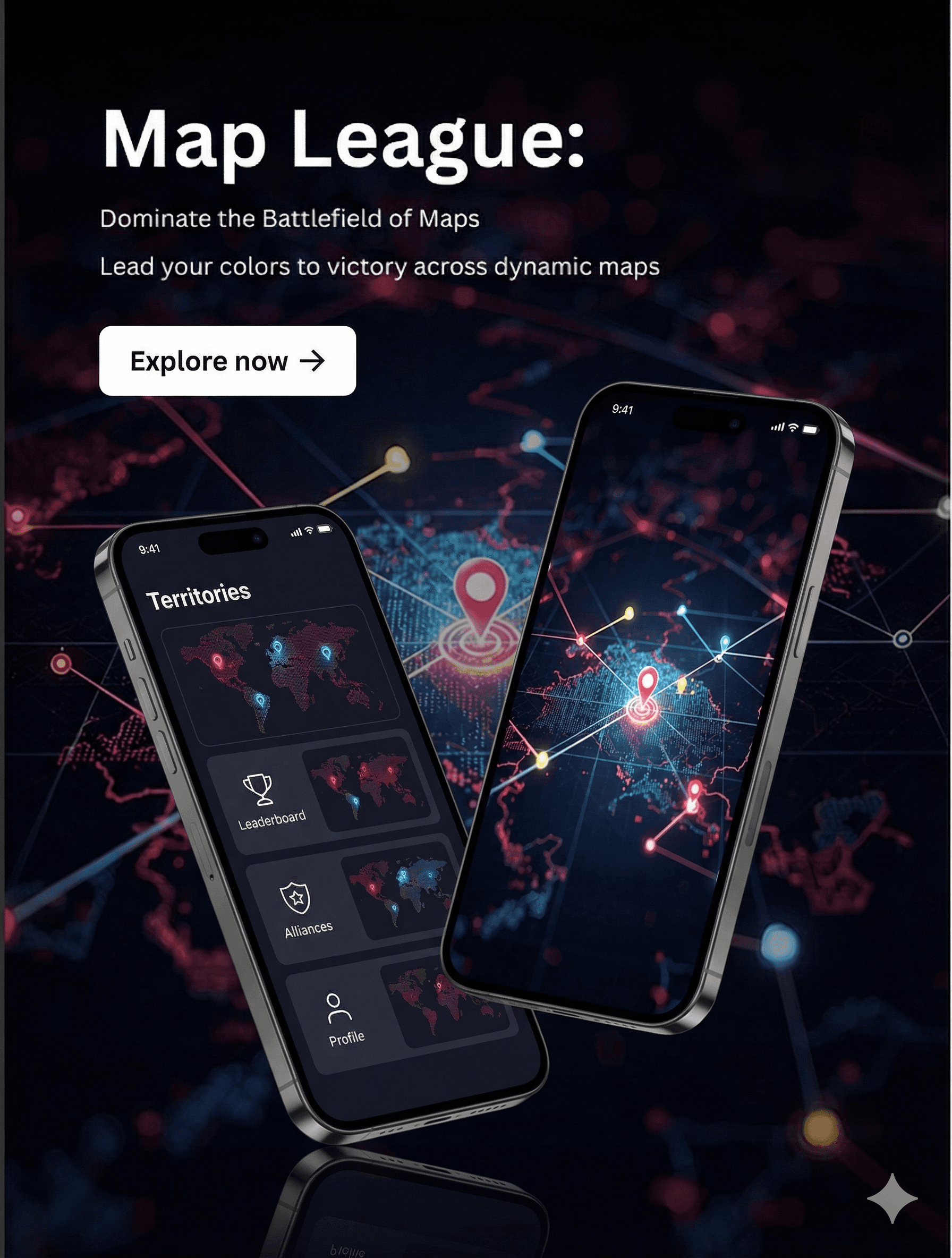
High-contrast colors and bold borders are essential for small screens, ensuring clarity, readability, and quick visual recognition even on limited display sizes. Timed challenges help build instinct, speed, and strong visual memory by encouraging users to think and respond quickly under pressure. Tactile drag-and-drop map puzzles with snap feedback make learning more interactive and satisfying, giving users a sense of precision and achievement. Together, these design elements transform learning into an engaging, hands-on experience that improves focus, reinforces spatial understanding, and keeps users motivated across repeated interactions.
Solution
High-contrast colors and bold borders are essential for small screens, ensuring clarity, readability, and quick visual recognition even on limited display sizes. Timed challenges help build instinct, speed, and strong visual memory by encouraging users to think and respond quickly under pressure. Tactile drag-and-drop map puzzles with snap feedback make learning more interactive and satisfying, giving users a sense of precision and achievement. Together, these design elements transform learning into an engaging, hands-on experience that improves focus, reinforces spatial understanding, and keeps users motivated across repeated interactions.
Solution
High-contrast colors and bold borders are essential for small screens, ensuring clarity, readability, and quick visual recognition even on limited display sizes. Timed challenges help build instinct, speed, and strong visual memory by encouraging users to think and respond quickly under pressure. Tactile drag-and-drop map puzzles with snap feedback make learning more interactive and satisfying, giving users a sense of precision and achievement. Together, these design elements transform learning into an engaging, hands-on experience that improves focus, reinforces spatial understanding, and keeps users motivated across repeated interactions.